Imagine visiting one of Japan’s most sacred shrines—and learning that its most important buildings are intentionally rebuilt every 20 years.
Not repaired little by little.
Rebuilt.
At Ise Jingu, this tradition is called Shikinen Sengu.
Every 20 years, the main sanctuary buildings and sacred treasures are renewed, and the kami are ceremonially transferred to the newly built sanctuaries.
The tradition began with the first Shikinen Sengu in 690 and has been repeated for approximately 1,300 years, with periods of interruption in its long history. The most recent, the 62nd, was completed in 2013.
But Shikinen Sengu is not simply an ancient tradition we can read about in a history book.
The next one is already happening.
Preparations for the 63rd Shikinen Sengu, culminating in the transfer ceremonies planned for autumn 2033, began in 2025 and will unfold over more than eight years.
That is what makes this such a fascinating time to visit Ise.
You are not only looking at a 1,300-year-old tradition.
You are watching the next chapter being made.
What Exactly Happens During Shikinen Sengu?
At both Naiku, the Inner Shrine, and Geku, the Outer Shrine, there are two adjacent sacred sites of the same size.
Every 20 years, a new sanctuary is constructed on the alternate site according to ancient traditions.
The shrine buildings are renewed, along with sacred garments and treasures known as Onshozoku Shinpo. Finally, the kami are ceremonially transferred to the new sanctuary.
The cycle involves more than 60 buildings.
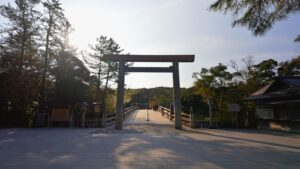
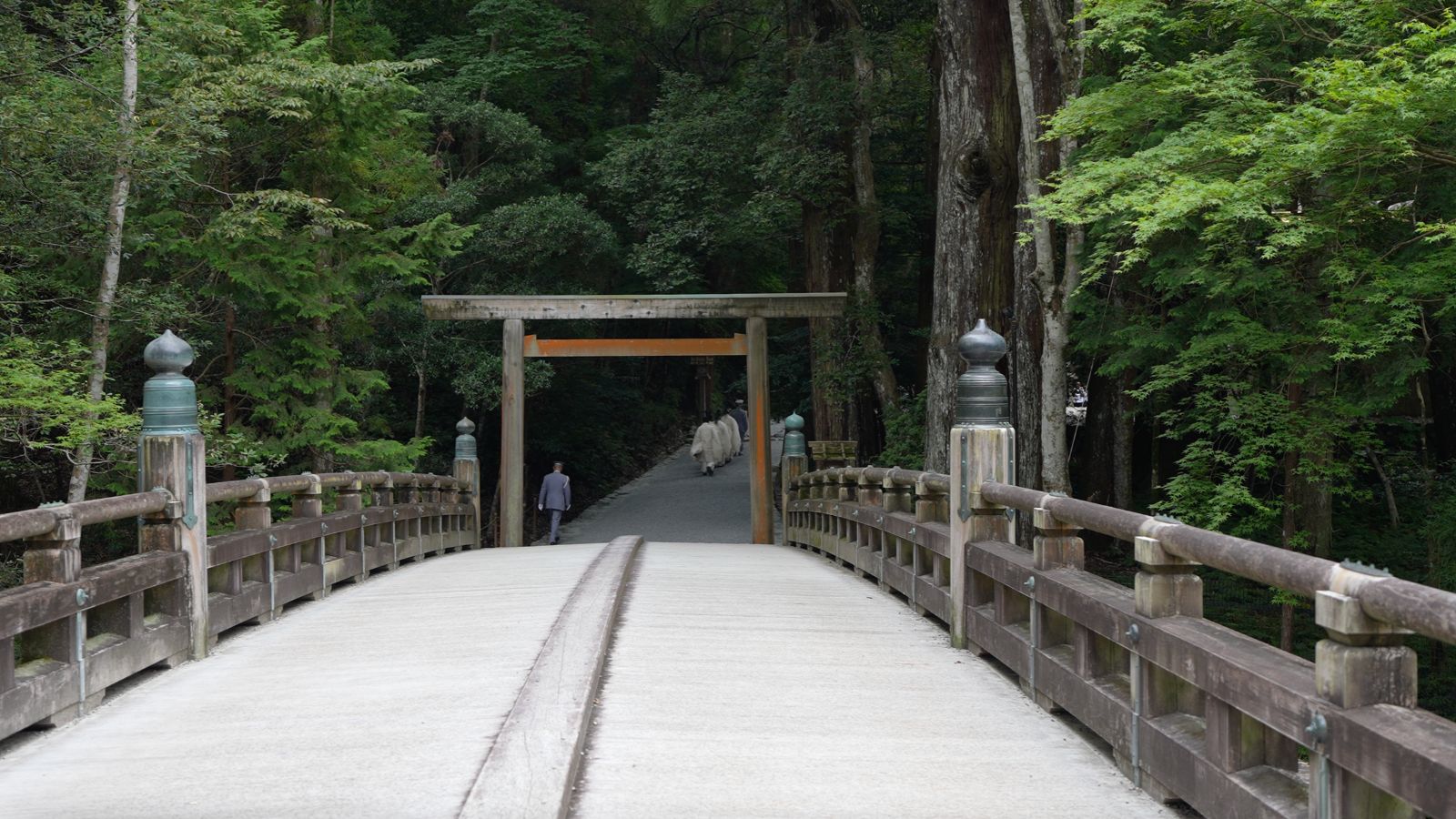
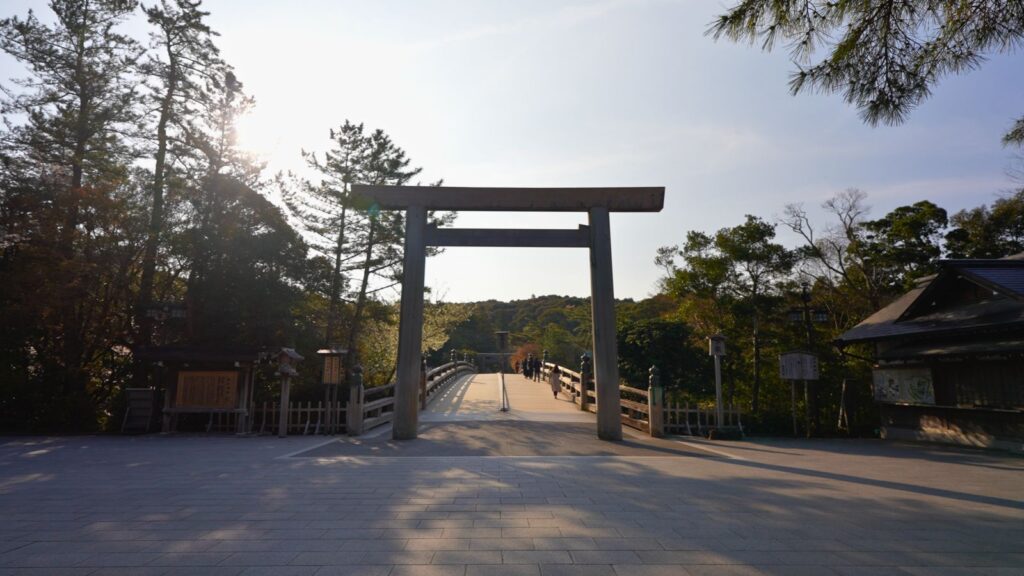
The main sanctuaries, 14 betsugu auxiliary sanctuaries and structures including Ujibashi Bridge are also renewed as part of the wider Sengu. And it does not happen overnight.
The current 63rd Shikinen Sengu stretches across more than eight years and includes 33 ceremonies and events related to sacred timber, construction and the eventual transfer of the kami.
The “Empty” Space Beside the Main Sanctuary
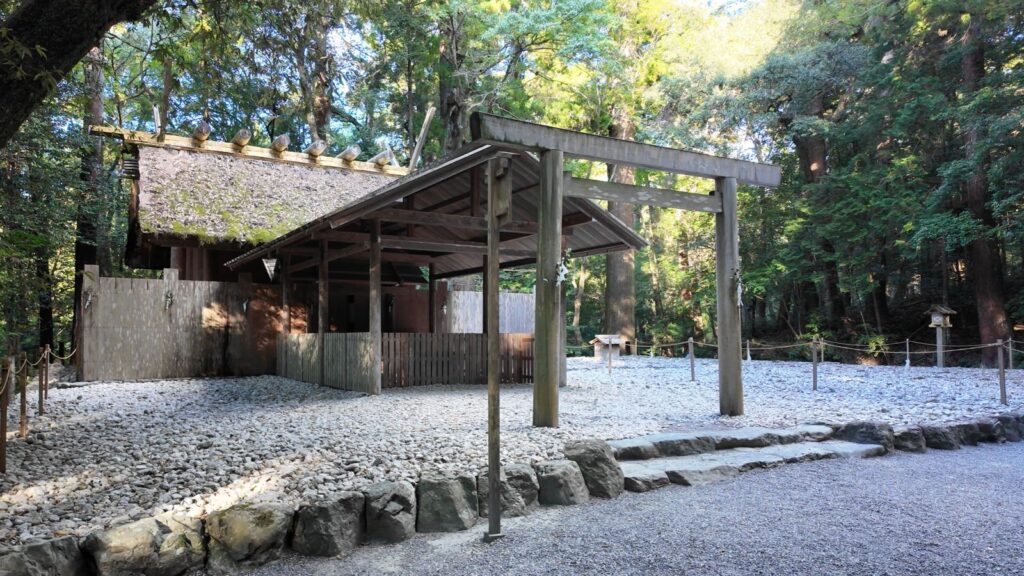
One of the places where Shikinen Sengu became much more real to me was the Mishikichi.
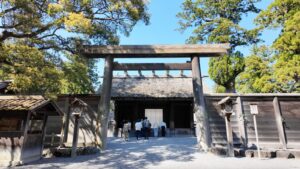
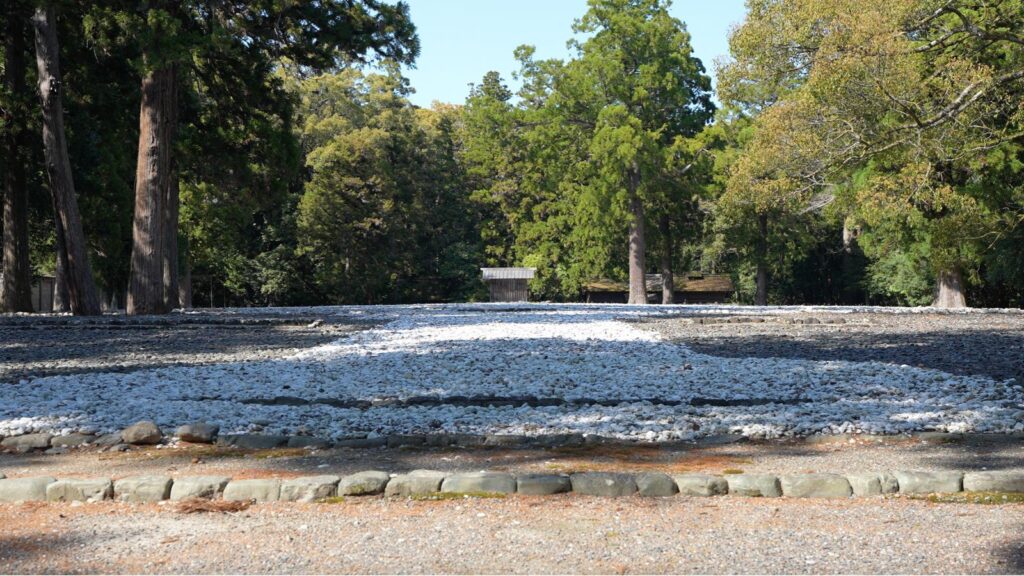
Beside the Main Sanctuary at Ise Jingu, you can see a large sacred area covered in white gravel.
At first, it can look surprisingly empty.
But this is the alternate site where the next sanctuary will stand.
When I first understood what I was looking at, the space suddenly felt completely different.
It was not empty at all.
It represented the next 20-year cycle.
The sanctuary standing beside me belonged to the current generation of Sengu, while the open ground beside it was already waiting for the next.
It made the enormous time scale of Ise Jingu feel surprisingly tangible.
Tokowaka: Staying Ancient by Becoming Newth an Important Meaning
A word often associated with Shikinen Sengu is Tokowaka.
It means something close to “forever young” or “always fresh and vital.”
At first, rebuilding something ancient may sound almost contradictory. If a building is important, wouldn’t we normally try to preserve the original for as long as possible?
Ise Jingu takes a different approach.
The buildings are renewed again and again, while their traditional form is carefully passed on.
The Main Sanctuary uses Shinmei-zukuri, an ancient Japanese architectural style characterized by unpainted cypress, a thatched roof and simple, straight lines. Ise Jingu explains that repeated rebuilding has helped preserve this ancient architectural form into the present day.
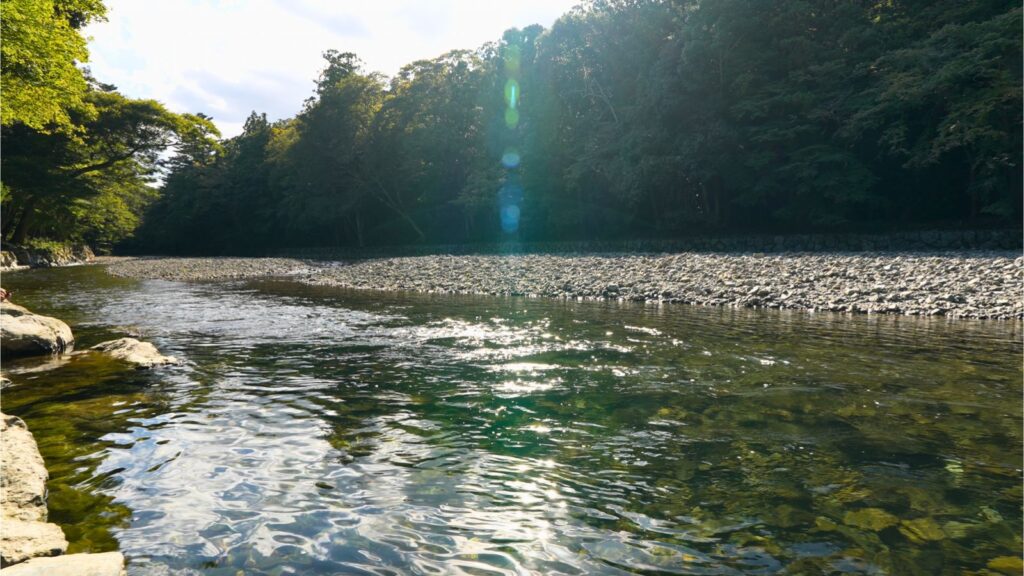
Naiku itself has stood beside the Isuzu River for around 2,000 years, while the system of Shikinen Sengu began about 1,300 years ago. So it would not be quite accurate to say that we are looking at exactly the same building people saw 2,000 years ago.
What is remarkable is something different: By continuing to rebuild, people have been able to carry an ancient form into the present.
Something changes so that something else can remain.
That idea is what I find so interesting about Tokowaka.
It Is Not Only the Buildings That Are Passed Down
Shikinen Sengu preserves more than architecture.
Someone has to know how to select and prepare the timber.
Someone has to understand how to construct the buildings.
Someone has to make the sacred objects and garments.
And someone has to teach the next generation.
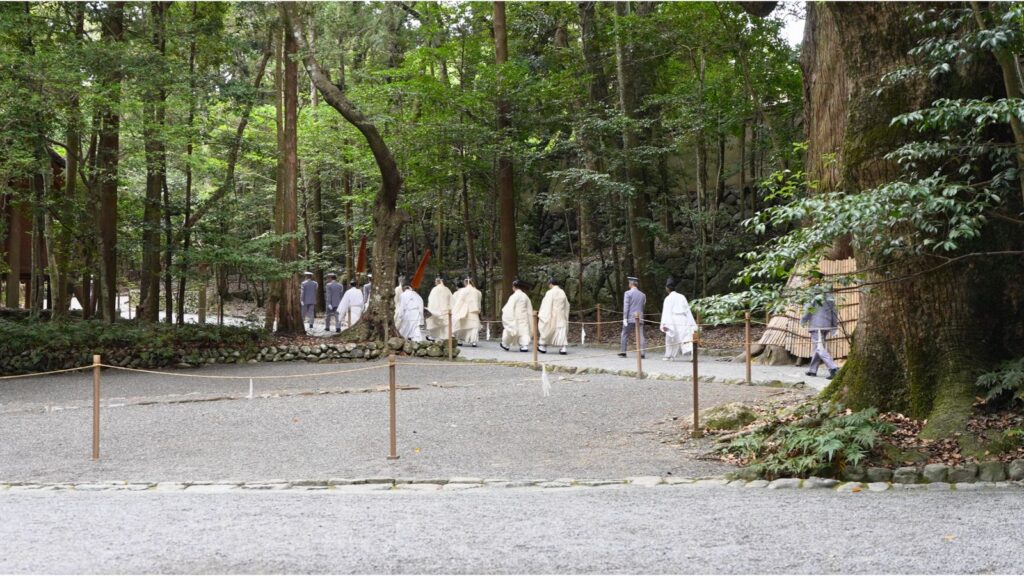
Ise Jingu notes that around 150 shrine carpenters may be involved during the Sengu period, while a smaller group continues maintenance and preparation even between Sengu cycles. Countless other people are involved in the sacred treasures, rituals, donations and related work.
This is an important part of Shikinen Sengu.
Knowledge is not kept alive only in documents. It is also passed from person to person through doing the work itself. Every 20 years, another generation has the opportunity to learn directly from the one before it.
That is how a 1,300-year tradition remains a living practice rather than becoming something preserved only in a museum.
Even the Forest Is Part of the Cycle
Shikinen Sengu also requires an extraordinary amount of timber.
That means thinking far beyond the next 20 years.
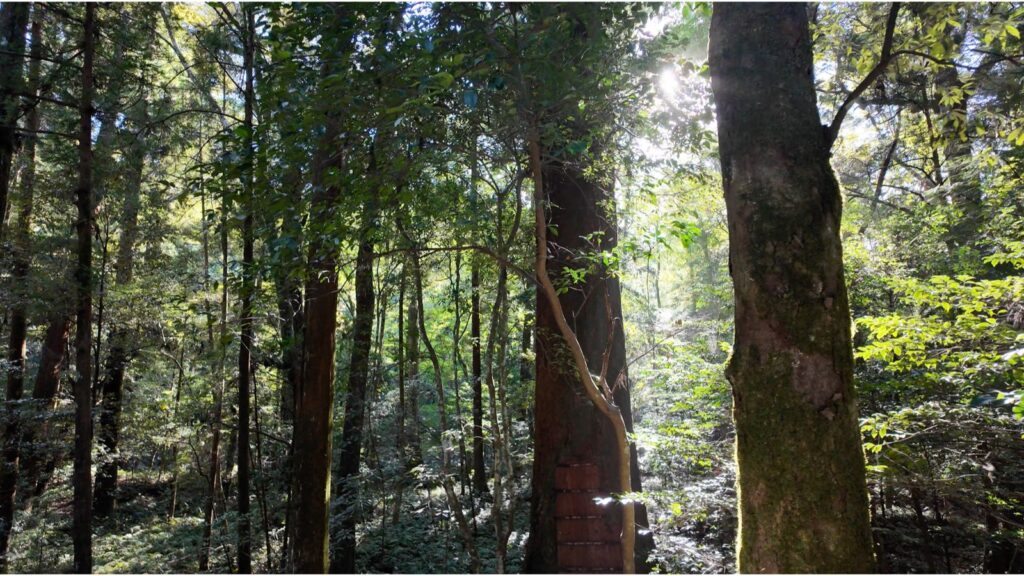
Ise Jingu manages approximately 5,500 hectares of forest upstream from the Isuzu River. In 1923, it established a long-term forest management plan aimed at eventually supplying the timber needed for future Sengu, including the cultivation of cypress trees over a roughly 200-year horizon.
People plant and care for trees knowing that they themselves may never see those trees used.
The work is done for generations still to come.
This is another reason I find Shikinen Sengu difficult to describe simply as “rebuilding a shrine every 20 years.”
It is a much larger cycle involving architecture, craftsmanship, forests, rituals and people.
The 63rd Shikinen Sengu Is Happening Now
This is perhaps the most exciting part for anyone visiting Ise Jingu now. The next Shikinen Sengu is not something waiting for us in 2033.
It has already begun!
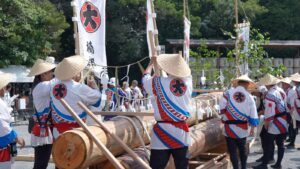
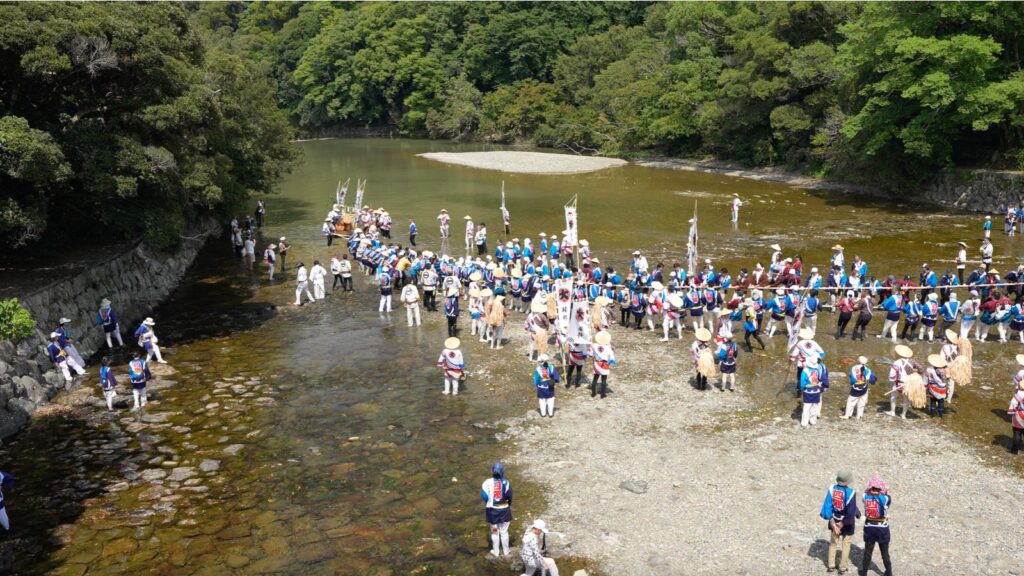
Preparations started in 2025. In 2026, ceremonies connected with construction were held, and the first Okihiki events brought sacred timber toward Naiku and Geku. Local residents and worshippers from across Japan took part in moving the timber, with Geku using Okabiki land processions and Naiku using Kawabiki along the Isuzu River.
A second series of Okihiki events is scheduled for May – July, 2027, while construction ceremonies and other events continue toward the central transfer ceremonies in 2033.
I was fortunate enough to see Okihiki myself. And that was when the phrase “a 1,300-year tradition” began to mean something different to me.
There were people pulling the timber.
People singing.
People working together.
People taking part in something that existed long before they were born and will continue long after them.
The tradition was not sitting quietly in the past. It was moving.
We will explore Okihiki itself in a separate Journal story, because it deserves much more space than a few paragraphs here.
1,300 Years Continue Because People Continue Them
It is easy to talk about Ise Jingu in enormous numbers.
Around 2,000 years.
1,300 years of Shikinen Sengu.
A 20-year cycle.
But standing in front of the Mishikichi and later watching Okihiki reminded me that none of those numbers continue on their own.
A tradition does not survive simply because it is old.
People choose to carry it.
Craftspeople learn techniques.
Foresters care for trees.
Shrine priests continue rituals.
Communities pull timber.
One generation teaches the next.
And then, eventually, that generation hands it over again.
That is perhaps what moves me most about Shikinen Sengu.
It shows us something very old, but it is not really about the past.
It is about what people living now choose to carry into the future.
Experience Shikinen Sengu at Ise Jingu
You do not need to visit during a major ceremony to notice Shikinen Sengu.
At Geku and Naiku, look beside the Main Sanctuary for the alternate Mishikichi.
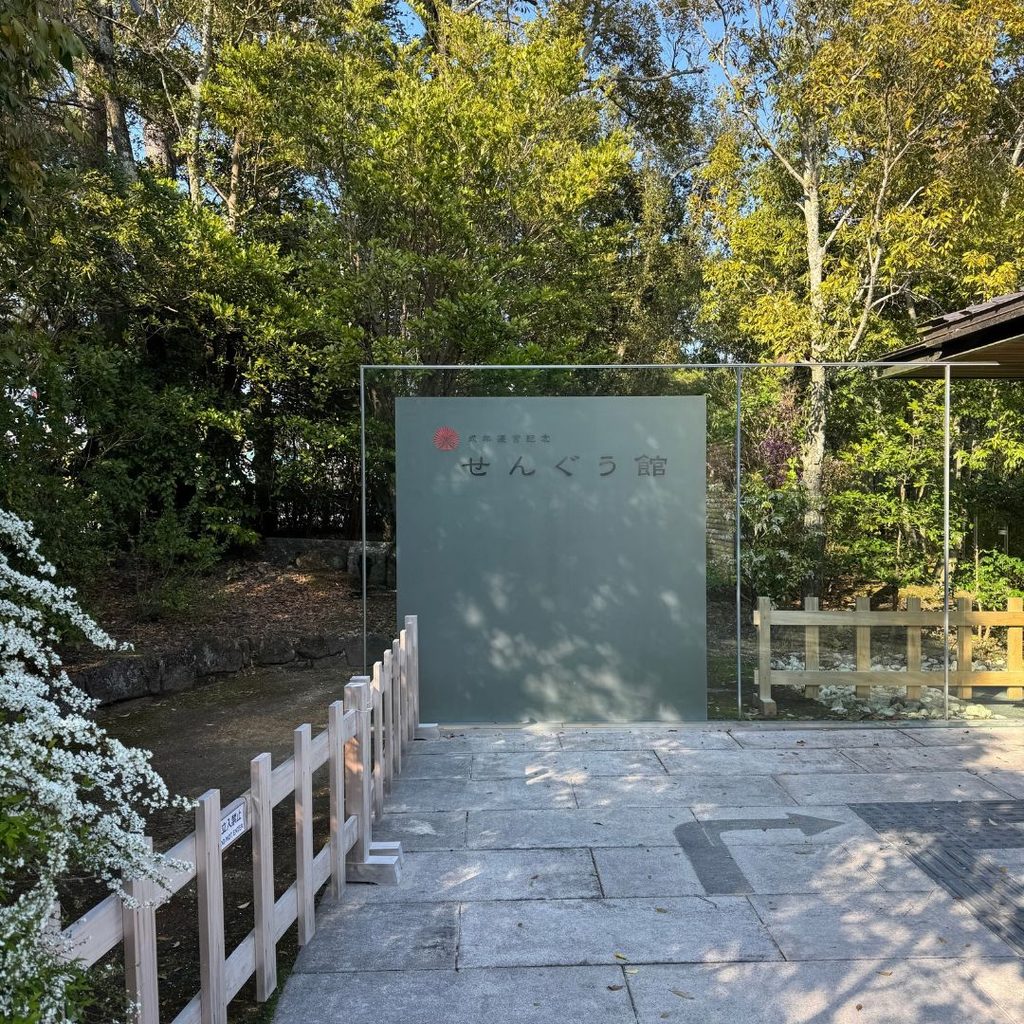
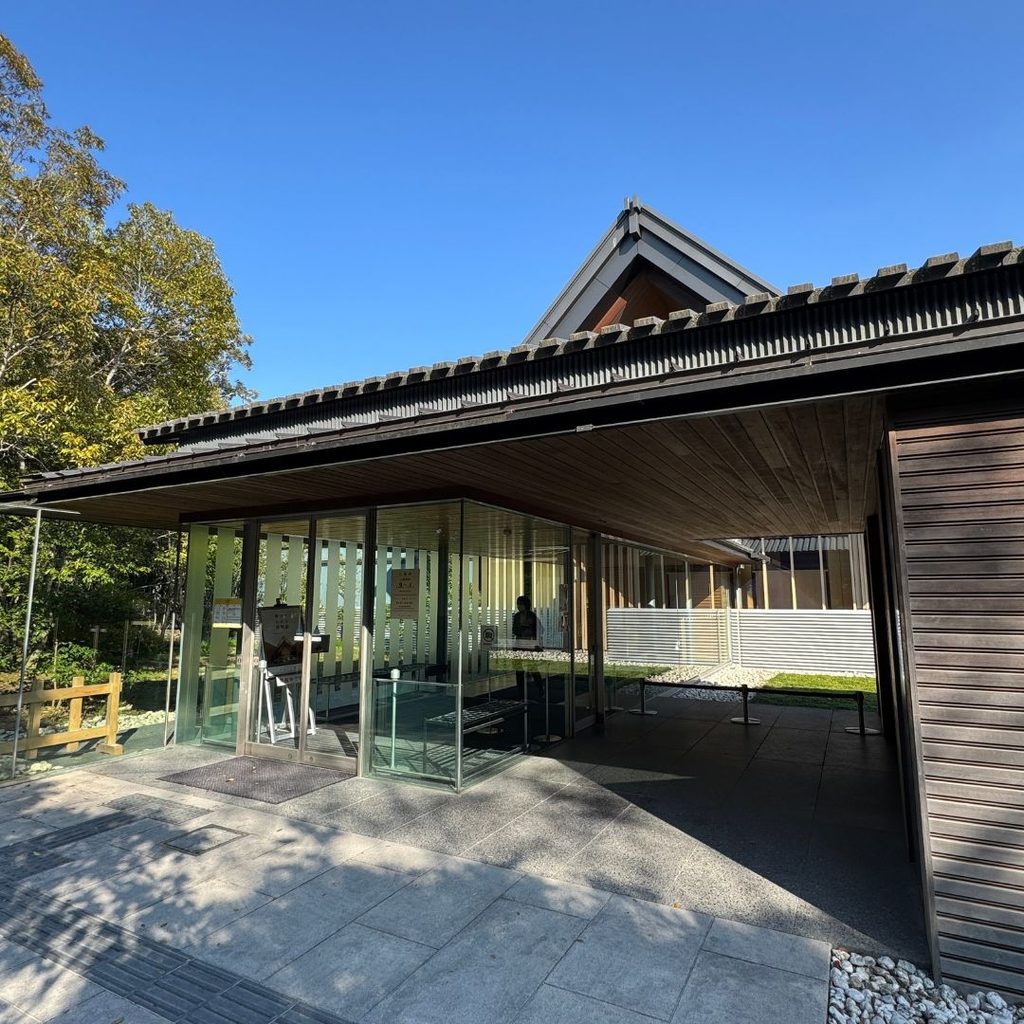
Visit the Sengukan Museum at Geku to see a full-scale reconstruction of part of the sanctuary and learn more about the craftsmanship behind Sengu.
And if you are visiting during the years leading up to 2033, keep an eye on Ise Jingu’s official schedule.
You are visiting during a particularly special chapter in the cycle.
If you would like to explore Geku while learning about Shikinen Sengu and the meaning behind the places you pass, Retreatrip’s Ise Jingu Geku Audio Guide introduces the story as you walk.
Explore the Ise Jingu Geku Audio Guide →
Sometimes, understanding a tradition changes the way we look at a place.
At Ise Jingu, the new sanctuary is still years away. But the work of carrying the tradition forward is already happening all around us.
日本でもっとも神聖な神宮の建物を、20年に一度、新しく建て替える。
初めて聞くと、少し不思議に感じるかもしれません。
伊勢神宮では、この営みを式年遷宮といいます。
20年に一度、社殿をはじめ、御装束や神宝などを新しくし、神様に新しいお宮へお遷りいただきます。
第1回の式年遷宮が行われたのは690年。
長い歴史の中で一時中断した時期はありましたが、約1300年にわたって繰り返され、2013年には第62回の式年遷宮が行われました。
そして、次の式年遷宮は、もう始まっています。
2033年秋の第63回式年遷宮の遷御に向けて、2025年から祭典や行事が始まり、8年以上の歳月をかけて準備が進められています。
なので今、伊勢神宮を訪れるということは、1300年の歴史を見るだけではなく、その次の歴史がつくられていく瞬間に立ち会うことができます!
式年遷宮では何が行われる?
内宮と外宮の正宮には、隣に同じ広さの御敷地と言われる場所があります。20年に一度、その御敷地に古くから伝わる形に沿って新しいお宮を造ります。社殿だけでなく、神様の御装束や神宝なども新しくされ、最後に神様に新しいお宮へお遷りいただきます。
対象になるのは正宮だけではありません。
14の別宮や宇治橋など60以上の建造物が、式年遷宮に合わせて造り替えられます。
そして、この大きな営みは一度の行事で終わるものではありません。
御用材に関わる祭典。
新しい社殿を造るための祭典。
そして神様に新宮へお遷りいただくための祭典。
第63回式年遷宮では、2033年に向けて8年以上をかけ、33の祭典と行事が進んでいきます。
何もないように見える「御敷地」
私自身、式年遷宮を一気に身近に感じた場所のひとつが、外宮のご正宮の隣にある御敷地でした。
白い玉砂利が敷かれた広い場所です。
現在の正宮の隣に、次の20年を担う場所がすでに用意されている。
それを目の当たりにすると、式年遷宮が一気に現実味を帯びはじめました。
そして、過去と現在と未来が、並んでいるようにも感じられました。
「常若」― 変わり続けることで、変わらないものを残す
式年遷宮を語るときによく登場するのが、常若(とこわか)という言葉です。「常に若々しい」という意味です。
古いものを大切にするなら、その建物をずっと残した方がいいのでは?
そう思いますよね。
でも伊勢神宮では、あえて建て替えを繰り返してきました。
正宮に用いられているのは、神明造と呼ばれる日本古来の建築様式。
檜の素木、萱葺きの屋根、直線的で簡素な姿が特徴です。
内宮が五十鈴川のほとりに鎮座したのは、およそ2,000年前。
そして式年遷宮の制度が始まったのは約1,300年前です。
なので、2000年前とまったく同じ建物が残っているとは言い切れませんが
新しくし続けることで、古くからの姿を今も見ることができるのです。
変えることで、変わらないものを残していく。
私は、この常若という考え方に式年遷宮の面白さが凝縮されているように感じます!
受け継がれるのは建物だけではない
木を選ぶ人。木を加工する人。社殿を建てる人。
御装束や神宝をつくる人。祭典を執り行う人。
そして、その技術を次の世代へ伝える人。
たくさんの方々が式年遷宮には関わっています。
例えば、遷宮の時期には約150人の宮大工が造営に携わり、遷宮と遷宮の間も宮大工の方々が修繕や次の遷宮に向けた仕事を続けています。
御装束神宝の調製をはじめ、さらに多くの人々が式年遷宮に関わります。
技術は、記録に残すだけでは受け継ぐことができません。実際に一緒に手を動かし、前の世代から次の世代へ伝えていく。
20年という周期があるからこそ、一つの世代が経験した技術を次の世代へ直接渡していくことができます。
1300年前からの伝統が、博物館の中ではなく今も続いている。その背景には、こうした人の営みがあります。
森も、未来へつながっている
式年遷宮には、約1万本というたくさんの木材が必要です。そして木を育てる時間は、20年よりはるかに長いものです。
神宮の森は約5500ヘクタール。
1923年には、将来の遷宮で使う御造営用材を自給できることを目指した森林経営計画が策定されました。その計画は、およそ200年先までを見据えています。
自分が生きている間には使われないかもしれない木を植え、育てる。
まだ生まれていない世代のために準備する。
ここまで知ると、式年遷宮は単に「20年に一度、社殿を建て替える行事」ではないことが分かります。
技術、森、祭典、そして人。すべてが長い時間の中でつながっています。
第63回式年遷宮はすでに始まっています
そして、今伊勢神宮を訪れるなら、ぜひ知っておいてほしいことがあります。
次の式年遷宮は2033年ですが、その準備はすでに始まっています!!
2025年から関連する祭典が始まり、2026年には造営に関わる祭典や、第1次の御木曳行事などが行われました。御木曳では、伊勢の人々や全国から集まった奉仕者が、社殿に使われる御用材を神域へ曳き入れます。
内宮では五十鈴川を使った「川曳」。
外宮では御木曳車で運ぶ「陸曳」。
第2次の御木曳行事は2027年5月〜7月に予定されています。
1300年続く伝統は、今も動いている
私も実際に御木曳を見ることができ、心から感動しました。
大勢の人が声を掛け合い、力を合わせて御用材を曳いていく。法被姿の子どもたちも参加し、辺りはものすごい熱気に包まれていました。
その光景や、次の社殿が建てられる御敷地を見て、「1300年続く伝統」という言葉の感じ方が変わりました。
式年遷宮には、木を育てる人、技術を受け継ぐ人、祭典を執り行う人、御用材を運ぶ人など、本当に多くの人が関わっています。
1300年という時間は、今を生きる人たちが、それぞれの役割を担い、次の世代へつないできた積み重ね。
式年遷宮は、単に古いものを守り続けているのではなく、今も多くの人の手によって生き生きと受け継がれている伝統なのだと実感しました。
熱気あふれる御木曳については、より詳しく別の記事でご紹介しますね!
伊勢神宮で式年遷宮を感じてみる
式年遷宮は、大きな祭典や行事の日でなくても、身近に感じることができます。
内宮や外宮、別宮を訪れたら、御正宮の隣にある御敷地にぜひ目を向けてみてください。
外宮にあるせんぐう館では、社殿の一部を原寸大で再現した展示を見ながら、式年遷宮を支える職人たちの技術や、その背景を知ることができます。
また、2033年の式年遷宮に向けて、これからもさまざまな祭典や行事が行われます。伊勢を訪れる際は、ぜひ伊勢神宮の公式サイトで予定をチェックしてみてください。
今は、次の式年遷宮へ向けて伝統が受け継がれていく様子を感じられる、特別な時期です。
RetreatripのIse Jingu Geku Audio Guideでは、実際に御敷地の前に立ちながら、式年遷宮について紹介しています。
何もないように見える場所も、背景を知ると見え方がまったく変わります。
Explore the Ise Jingu Geku Audio Guide →
昔から続くものを見るだけでなく、それが今、誰かの手によって次へ渡されていることを知る。
それも、今の伊勢神宮を訪れる大きな楽しみのひとつだと思います。
FAQ
1. What is Shikinen Sengu?
Shikinen Sengu is Ise Jingu’s tradition of renewing its shrine buildings, sacred garments and treasures and transferring the kami to newly built sanctuaries every 20 years. The first Sengu was held in 690.
2. Why is Ise Jingu rebuilt every 20 years?
There is no single historically documented explanation for why the interval was set at exactly 20 years. Ise Jingu explains that the cycle has helped preserve shrine architecture, craftsmanship and sacred traditions while keeping the sanctuaries fresh and renewed.
3. When is the next Shikinen Sengu?
The central transfer ceremonies of the 63rd Shikinen Sengu are planned for autumn 2033. Related ceremonies and preparations began in 2025 and will continue over more than eight years.
4. What does Tokowaka mean?
Tokowaka means “always young” or “forever fresh.” In relation to Ise Jingu, it expresses the idea of remaining ancient and vital through repeated renewal.
5. Can visitors see Shikinen Sengu today?
Yes, even outside major ceremonies. Visitors can see the alternate Mishikichi beside the Main Sanctuary and learn more at Sengukan Museum. During the years leading to 2033, related ceremonies and community events are also taking place.
1.式年遷宮とは何ですか?
式年遷宮は、20年に一度、伊勢神宮の社殿を新しく建て替え、神さまに新しいお宮へお遷りいただく行事です。社殿だけでなく、神さまの衣服や調度品なども新しくします。第1回の式年遷宮は690年に行われました。
2. なぜ伊勢神宮では20年ごとに建て替えるのですか?
20年という周期が定められた理由は、歴史的にはっきりとわかっていません。ただ、定期的に建て替えることで、社殿を常に新しく保ちながら、建築技術や伝統文化を次の世代へ受け継ぐことにつながっています。
3. 次の式年遷宮はいつですか?
第63回式年遷宮の中心となる「遷御の儀」は、2033年秋に予定されています。関連する祭典や準備は2025年から始まっており、8年以上の歳月をかけて進められます。
4. 常若(とこわか)とはどういう意味ですか?
「常に若々しく、みずみずしい」という意味です。伊勢神宮では、定期的に社殿などを新しくすることで、古くからの伝統を守りながら、常に新しくあり続けるという考え方を表しています。
5. 今でも式年遷宮に触れることはできますか?
はい。大きな祭典が行われていない時期でも、外宮や内宮の御正宮の隣にある「御敷地」を見ることができます。また、外宮の「せんぐう館」では、式年遷宮の歴史や技術について詳しく学べます。2033年に向けて、関連する祭典や地域の行事も行われています。