If you are planning a trip to Ise Jingu, one question often comes up:
Should I visit Geku or Naiku first?
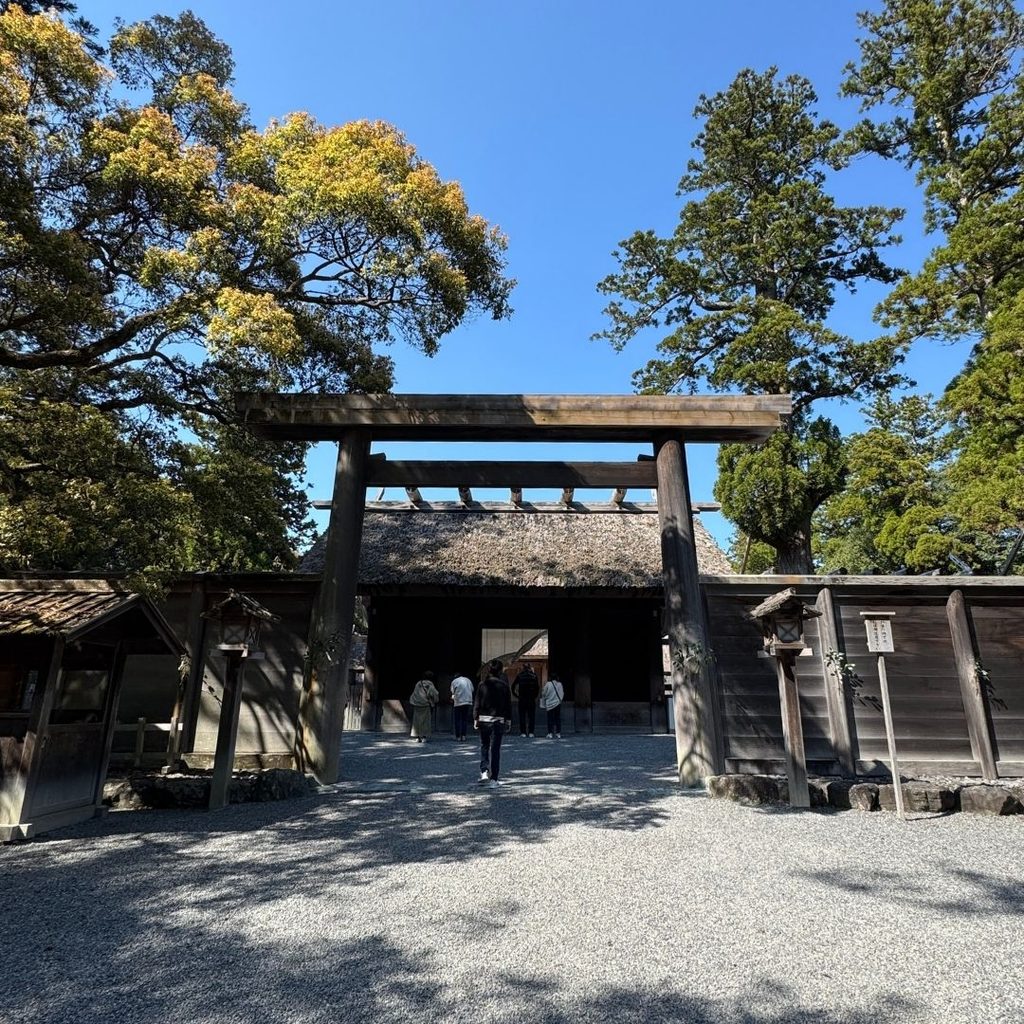
The simple answer is:
Geku first, then Naiku.
This is the traditional order of an Ise Jingu visit, and it is also the route introduced by Ise Jingu itself.
But it is important to know that this is a custom, not a strict rule.
Ise Jingu’s official FAQ explains that there is no fixed requirement, although visiting Geku before Naiku has long been the traditional way.
So if you have enough time, I recommend beginning at Geku and gradually making your way to Naiku.
And there is a reason this order can make the experience feel especially meaningful.
Why Is Geku Visited Before Naiku?
The custom is connected to the relationship between the deities, kami enshrined at the two sanctuaries.
Geku, formally Toyouke Daijingu, enshrines Toyouke-no-Omikami.
Toyouke-no-Omikami is revered as the provider of sacred food to Amaterasu-Omikami, who has been worshipped there for around 2,000 years at Naiku. Geku also continues the tradition of preparing and offering sacred food every morning and evening.
Even the order of important ceremonies at Ise Jingu follows this relationship.
The custom is known as Geku Sensai, meaning that ceremonies are first conducted at Geku before being held at Naiku. Ise Jingu explains that the customary visiting order of Geku followed by Naiku reflects this ritual sequence.
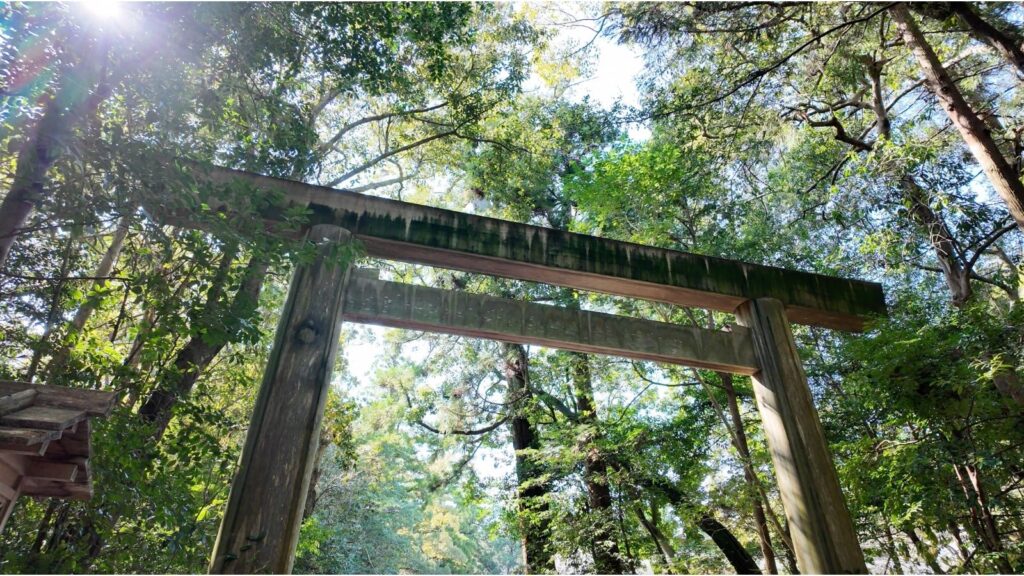
Starting at Geku Can Feel Like Preparing for Naiku
There is also another reason I personally like beginning at Geku.
It gives you time to prepare — not only physically, but mentally.
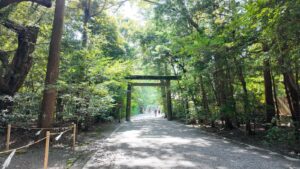
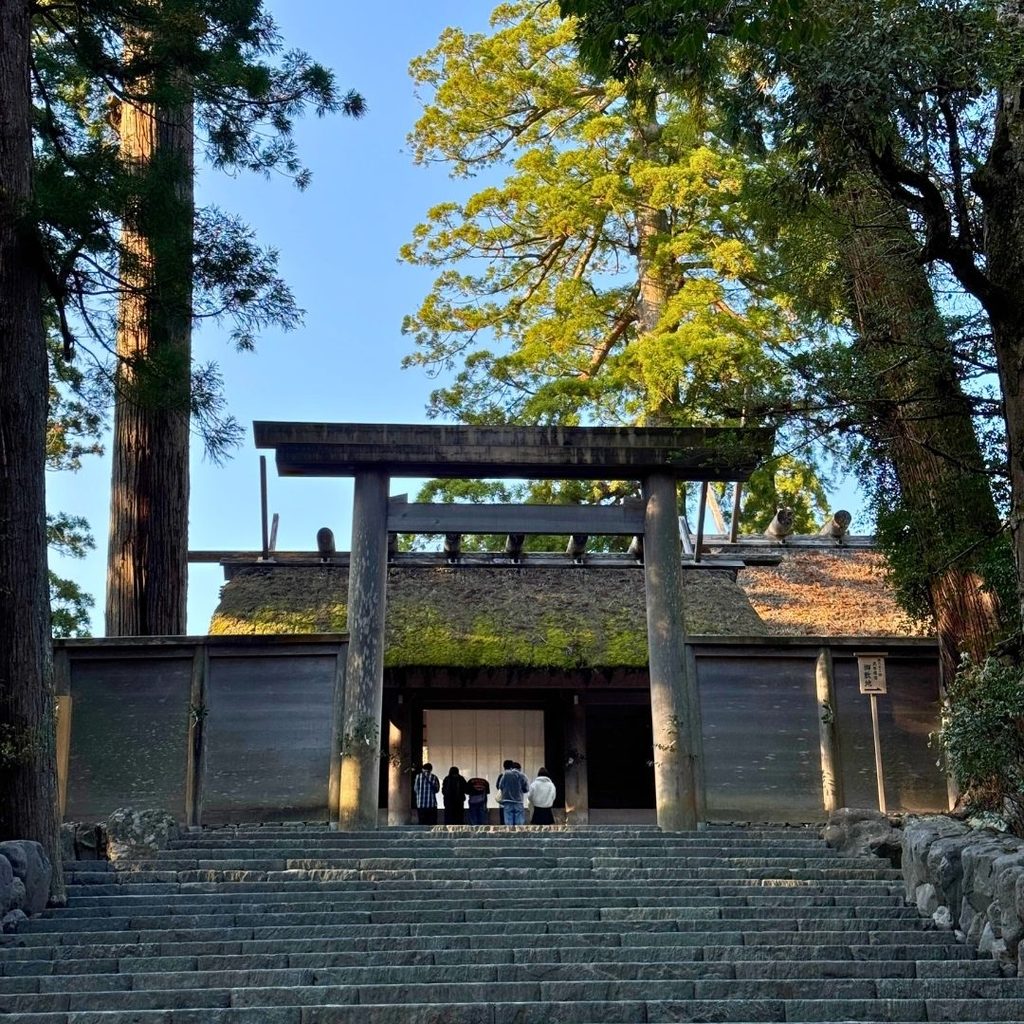
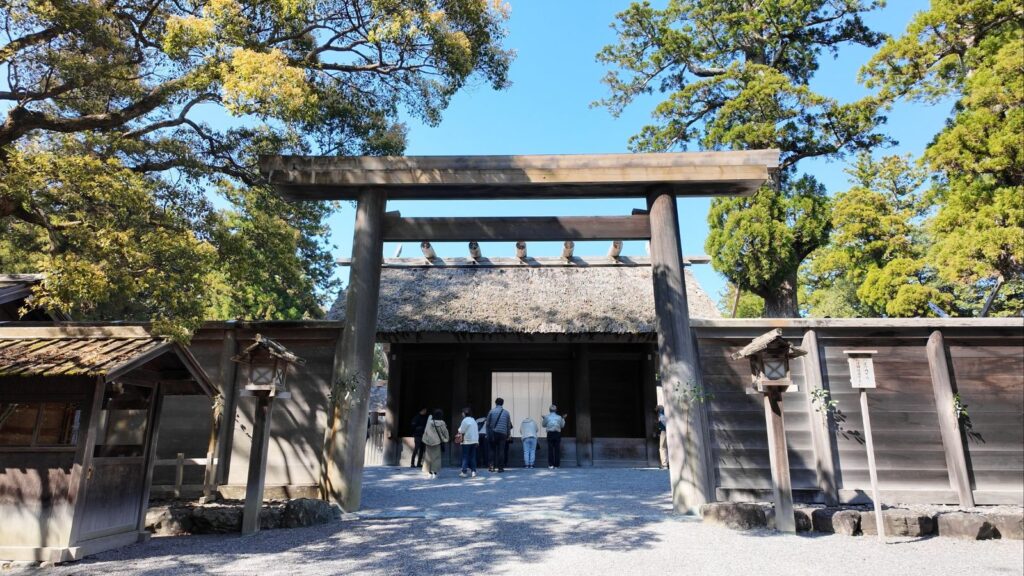
You pass through the torii, walk along the gravel paths and enter the forest.
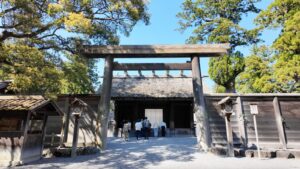
You make your Omairi at the Main Sanctuary.
Knowing that Toyouke-no-Omikami supports the daily sacred offerings to Amaterasu-Omikami adds another layer to that experience.
For me, beginning with the kami connected with food and the things that sustain everyday life feels like acknowledging what supports us before continuing to Naiku.
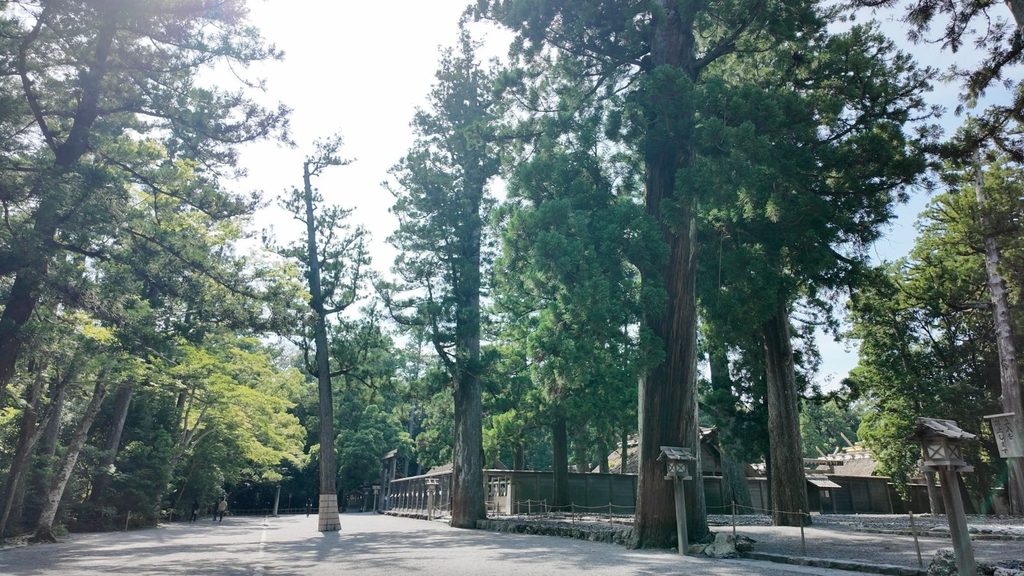
And as you walk through Geku, everyday life gradually begins to feel a little farther away.
You simply walk.
Pay your respects.
Slow down.
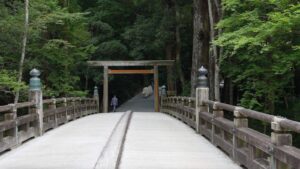
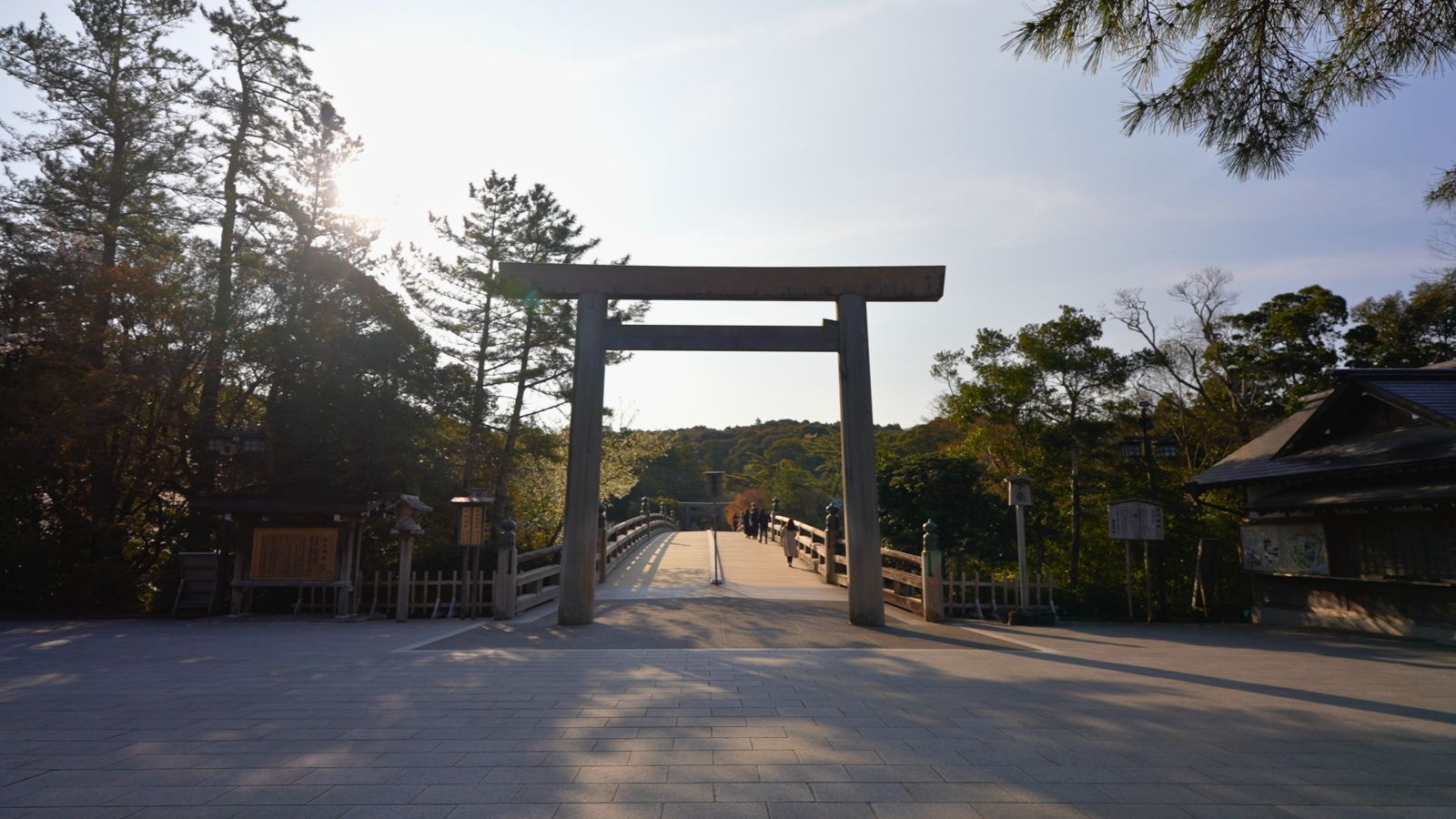
By the time you arrive at Naiku and cross Ujibashi Bridge over the Isuzu River, you may already feel more ready for the Omairi ahead.
That gradual transition is one of the reasons I recommend following the traditional order when you have time.
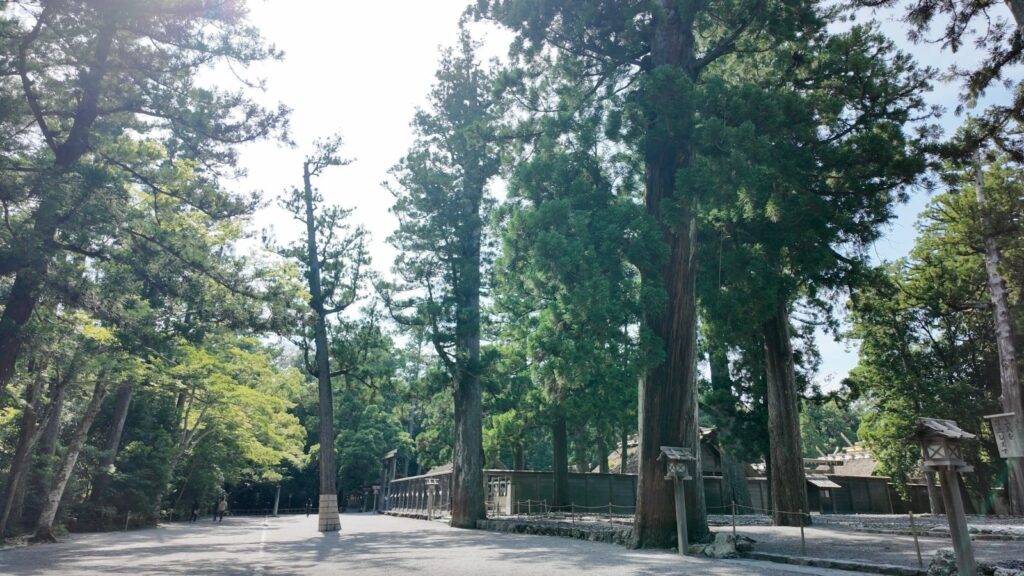
How Much Time Do You Need?
You do not need an entire day to experience both Geku and Naiku.
Ise Jingu itself suggests 30- or 60-minute routes for Geku and 60- or 90-minute routes for Naiku.
Here is how I would plan the visit depending on how much time you have.
| Time | Recommended route |
|---|---|
| 1–2 hours | Focus on Naiku. Walk across Uji Bridge and make your Omairi at the Main Sanctuary without trying to rush through both precincts. |
| 2–3 hours | Visit Geku first, at least making your Omairi at the Main Sanctuary. If time allows, continue to Betsugu Taka-no-miya. Then travel to Naiku and spend around an hour there. |
| 5–6 hours | Geku → Sengukan Museum → lunch near Geku → Naiku → Oharaimachi, Okage Yokocho. This gives you more time to understand what you are seeing instead of simply moving from one sanctuary to the next. And you can also enjoy local specialities. |
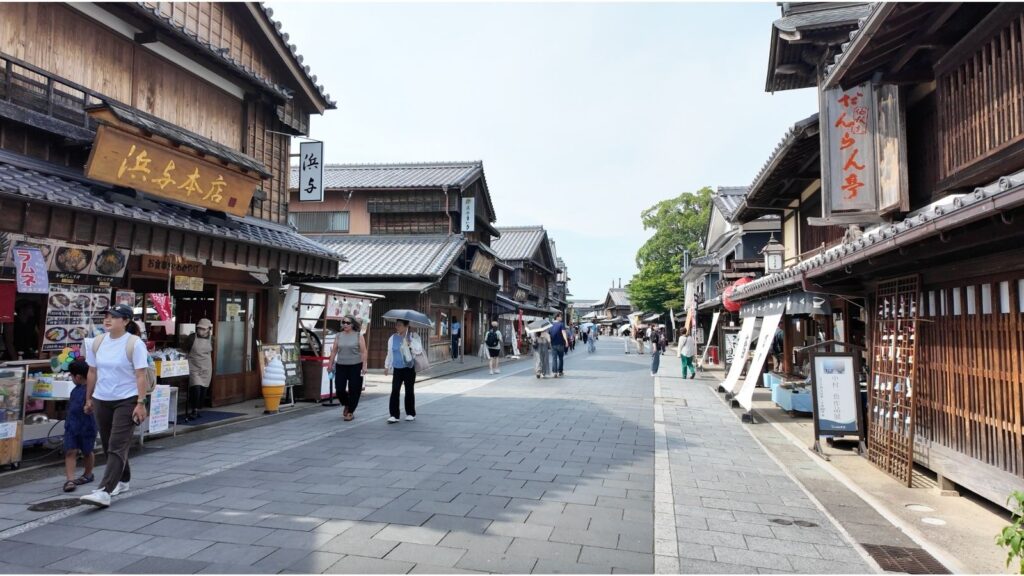
If you have only one or two hours, I would rather see you experience Naiku properly than rush through both simply to follow the traditional order.
Geku before Naiku is a traditional order, not a requirement.
If your schedule allows only enough time for Naiku, I would not recommend racing through Geku simply because you feel you “have to.”
Traditional customs can help us understand a place, but they should not turn a meaningful visit into a rushed checklist 😊
How Do You Travel From Geku to Naiku?
Geku and Naiku are separate shrine precincts.
Geku is about a 5-minute walk from Iseshi Station. Naiku is roughly 5 km away. Its nearest train station is Isuzugawa Station, two stops from Iseshi on the Kintetsu Line, and from there it is still about a 30-minute walk or a 6-minute bus ride to Naiku. So I recommend to take a bus which directly connects between Geku and Naiku.
Public buses connect the two, including the Route 51 and Route 55 Geku–Naiku services. It takes about 15~20 minutes by bus.
Because buses and roads can become busy during weekends, holidays and major events, give yourself some flexibility rather than planning the two visits too tightly.
If you are spending a half day in Ise, stopping for lunch between Geku and Naiku also creates a natural pause in the journey.
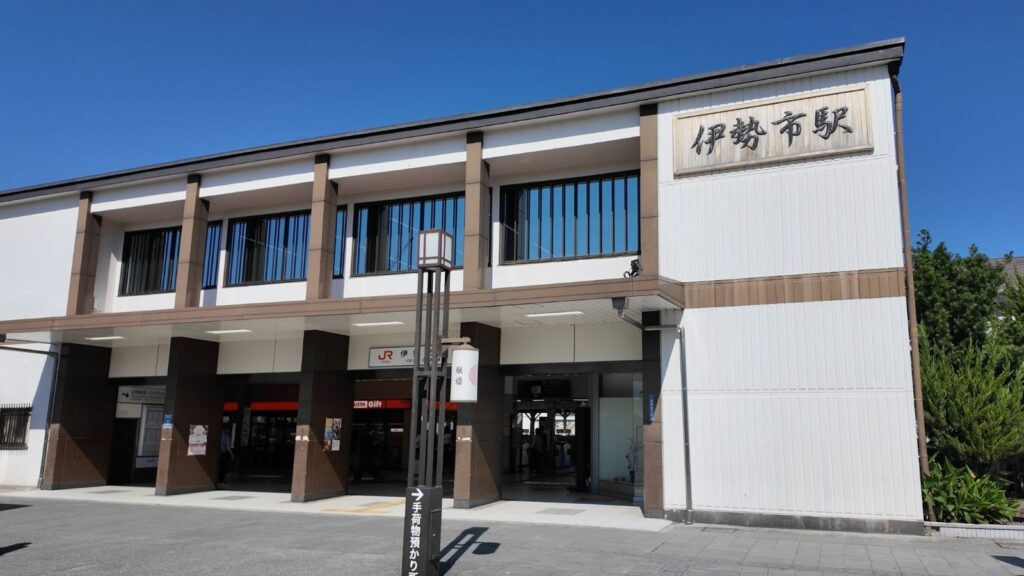
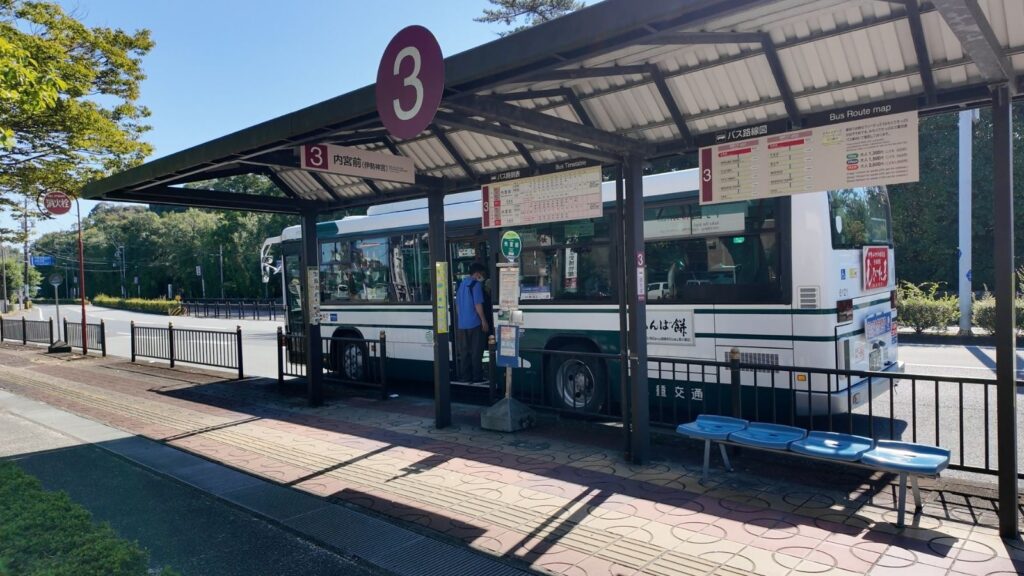
If You Have More Time: Explore Ise Jingu’s Betsugu
If you have more time in Ise, your Omairi does not have to end at Geku and Naiku.
Ise Jingu has 14 Betsugu, important auxiliary sanctuaries ranked next to the two Main Sanctuaries. Nine of them are located outside the main Geku and Naiku precincts, spread across five locations in and beyond Ise City.
Some are easy to add to the same day. Others are worth planning as a separate half-day trip.
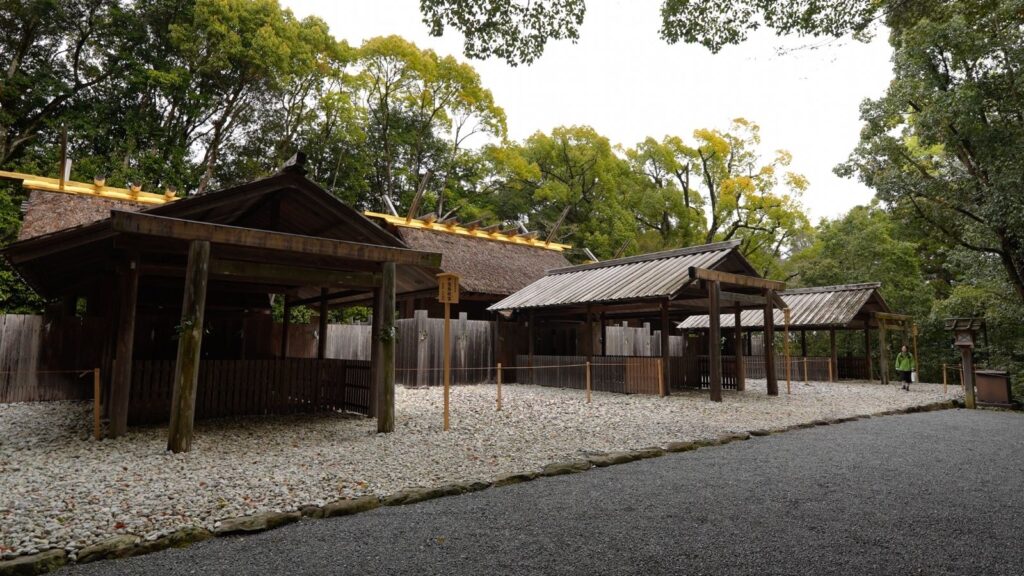
If you only have a little extra time, Tsukiyominomiya is the easiest addition after Geku.
After Naiku, Tsukiyomi-no-miya is also an easy detour and gives you the unusual opportunity to visit four Betsugu within one quiet precinct.
If you have another half day—or are traveling by car—Takihara-no-miya is especially worth considering. Its long forest approach creates a very different experience from central Ise.
Let me share more details about Betsugu in the next Journal article!
Experience Ise Jingu With Retreatrip
If you would like to understand the stories and traditions behind what you are seeing as you walk, Retreatrip offers two ways to experience Ise Jingu more deeply.
With our Ise Jingu Geku Audio Guide, GPS-triggered narration introduces Omairi, sacred rituals, Shikinen Sengu and the meaning behind the places you pass—while letting you explore at your own pace.
Explore the Ise Jingu Geku Audio Guide →
If you would rather experience Ise with someone beside you, our Private Guide offers a more personal journey through the cultural and spiritual background of the places you visit.
Explore a Private Guide with Retreatrip →Want to Understand More While You Walk?
Hope you will have a great visit, Omairi to Ise Jingu!
外宮と内宮、どちらからお参りする?
伊勢神宮へ初めてお参りに行かれる方なら、気になるところですよね。
外宮から内宮へ。昔からこの順番でお参りするのがならわしとされ、伊勢神宮公式サイトでもそのように紹介されています。
ただ大切なのは、「絶対に外宮からでなければいけない」という決まりではないということ。
伊勢神宮の公式FAQでも、参拝順について「特に決まりはありませんが、外宮から内宮の順にお参りするのが昔からのならわし」と説明されています。
時間に余裕があるなら、私はやはり外宮からゆっくりお参りを始めるのをおすすめしたいです😊
なぜ外宮から内宮へお参りするの?
外宮と内宮では、お祀りされている神様が異なります。
外宮・豊受大神宮にお祀りされているのは、豊受大御神。内宮の天照大御神にお食事をお供えする御饌都神として崇敬され、食をはじめ、私たちの暮らしを支えるものに関わる神様です。
一方、内宮・皇大神宮には天照大御神がお祀りされています。
約2000年前に五十鈴川のほとりにお祀りされ、現在まで大切にお参りされてきました。
伊勢神宮の祭典にも、「外宮先祭」というならわしがあります。
天照大御神のお食事を司る豊受大御神を先にお祭りし、その後に内宮で祭典を行います。
お参りも、その祭典の順序にならって外宮から内宮へ巡るのがならわしとなっています。
外宮から始めると、少しずつ心の準備が整っていく
私は、個人的にもこの順番が好きです。
まず外宮の鳥居をくぐり、玉砂利の参道を歩き、森の中を進んで、御正宮でお参りする。
天照大御神のお食事をお供えする豊受大御神に先にご挨拶することで、内宮のお参りを支えている存在を知ってから、その先へ向かうような感覚があります。
そして、外宮を歩いているうちに、日常から少しずつ距離ができていく。
すると、最初から内宮だけを訪れるときとは少し違って、自然とお参りへの準備ができているように感じます。
なので、時間があるときには、ぜひ外宮から。
それぞれのお参りにどれくらい時間がかかる?
伊勢神宮公式では、外宮に30分・60分、内宮に60分・90分のモデルコースが紹介されています。
私のおすすめはこちらです!
| 時間 | おすすめのルート |
|---|---|
| 1–2 時間 | 内宮に絞る。 宇治橋を渡り、御正宮までゆっくりお参りする時間を取る。 |
| 2–3 時間 | 外宮 → 内宮。 外宮ではまず、御正宮へ。足腰に自信のある方は別宮の多賀宮もお参りしてから内宮へ。 |
| 5–6 時間 | 外宮 → せんぐう館 → 外宮参道でランチ → 内宮 → おはらい町・おかげ横丁。 急がず、背景も知りながら巡るならこの流れがおすすめ。食べ歩きも楽しめますよ。 |
1〜2時間しかない場合は、無理に両方へ行くより、内宮でゆっくりお参りがおすすめです。
外宮から内宮へというのは、必ず守らなければならない決まりではありません。
作法や順番を知る、守ることはとても大切だと思います。
でも、それを守ることだけに意識が向いて、お参りそのものが慌ただしくなってしまうのは少しもったいないなと思います。
外宮から内宮へのアクセス
外宮と内宮は、別々の場所にあります。
外宮は近鉄線伊勢市駅から歩いて約5分のアクセスしやすい場所にあり、内宮はそこから約5km離れた場所にあります。
移動はバスが便利です。
外宮前と内宮前の間は、三重交通の51系統・55系統などのバスが走っていて、約15~20分で着きます。
週末や連休、祭典の時期などは混雑することもあるので、移動時間には少し余裕を持っておくのがおすすめです。
時間に余裕があれば、内宮・外宮の外にある別宮へ
伊勢で少し時間に余裕があるなら、ぜひ別宮にも足を伸ばしてみてください!
別宮とは、伊勢神宮において正宮に次ぐ大切なお宮で14所あります。
そのうち9所は内宮・外宮の神域の外にあり、伊勢市内・市外の5か所に分かれて鎮座しています。
内宮や外宮と同じ日に気軽に立ち寄れる場所もあれば、半日ほど時間を取って訪れたい場所もあります。
時間が限られている場合は、外宮のお参り後に歩いて行ける月夜見宮が一番お参りしやすいです。
内宮のあとなら、4つの別宮が並ぶ月読宮へ足を延ばすのもおすすめです。
さらに半日ほど時間を取れる、または車で伊勢周辺を巡るなら、森の中をゆっくり歩いてお参りできる瀧原宮もぜひ候補に。
Retreatripと伊勢神宮を巡る
伊勢神宮を、場所を見るだけでなく、その背景や意味を知りながらお参りすると、体験がまた深まります。
RetreatripのIse Jingu Geku Audio Guideでは、GPSに合わせて音声が流れ、お参りの方法、日別朝夕大御饌祭、式年遷宮、それぞれのお社の意味などを知りながら、自分のペースで外宮を歩くことができます。
また、ガイドと一緒にゆっくり巡りながら、伊勢神宮についてより深く知りたい方には、プライベートガイドもおすすめです。
ご興味のある方、ぜひチェックしてみてください!
そして素敵なお参りを⛩️
FAQ
1. Do I have to visit Geku before Naiku?
No. Ise Jingu states that there is no strict rule, although visiting Geku first and Naiku second is the traditional order.
2. Why is Geku traditionally visited first?
Toyouke-no-Omikami of Geku is revered as the provider of sacred food to Amaterasu-Omikami of Naiku. Ise Jingu’s ceremonies traditionally begin at Geku before Naiku, and the customary visiting order follows the same sequence.
3. How much time do I need to visit both Geku and Naiku?
Around three hours gives you a more comfortable minimum for visiting both, including travel between the two precincts. Ise Jingu itself offers 30- and 60-minute Geku routes and 60- and 90-minute Naiku routes.
4. Can I visit only Naiku if I have limited time?
Yes. If you only have one or two hours, focusing on Naiku can be more enjoyable than rushing through both sanctuaries simply to follow the customary order.
5. How do I get from Geku to Naiku?
Public buses connect the two precincts. Ise Jingu’s official access information lists Route 51 and Route 55 services connecting the Geku and Naiku areas for about 15 ~ 20 minutes.
1. 必ず外宮から参拝しなければいけませんか?
いいえ。伊勢神宮公式でも、特に決まりはないものの、昔から外宮から内宮の順にお参りするのがならわしと説明されています。
2. なぜ外宮から内宮の順なのですか?
外宮の豊受大御神は、内宮の天照大御神の御饌都神としてお祀りされています。神宮の祭典も外宮から先に行われ、その順序にならって参拝も外宮から内宮へお参りするのがならわしです。
3.外宮と内宮の両方を巡るには何時間必要ですか?
移動も含めると、少なくとも3時間ほどあると巡りやすくなります。公式モデルコースでは、外宮30・60分、内宮60・90分のコースが紹介されています
4. 時間がなければ内宮だけでも大丈夫ですか?
もちろん大丈夫です。1〜2時間しかない場合は、両方を急いで巡るよりも、内宮でゆっくりお参りすることをおすすめします。
5. 外宮から内宮へはどのように行けますか?
公共のバスが外宮と内宮を繋いでいます。三重交通の51系統・55系統などのバスが走っていて、約15~20分で着きます。